Exercise: Hype or Reality?

One bright morning in April, Odun and Zubaida were out walking the sidewalks of their housing estate for their 45-minute daily ritual, which offered them the opportunity of discovering developments within the estate while exchanging light gossip and banter. Did you hear about what happened to Tunde?” Zubaida began.” I was told he collapsed while climbing the stairs to his office yesterday and had to be rushed to the hospital. He has since stabilised and has been placed on a dietary and exercise regimen to wean him back to health and wellness.” Remember, he would always sneer at us while cruising around in his air-conditioned car and asking…Why do you ladies choose to suffer? After all, you both have a good build, no weight loss is needed…you look perfect. All our attempts to enlighten him on the benefits of exercise and that he should view exercise as a necessary activity for wellness and health, fell on deaf ears. It is all HYPE! Was his quick response. Unfortunately, he had to learn the importance and benefits of exercise the hard way. Yet, as they pounded the sidewalk with intermittent jogs, they found themselves pondering a timely question: Are the benefits of exercise mere hype, or do they hold up to scrutiny as reality?

In recent decades, exercise has emerged as something of a cultural panacea. Social media brims with testimonials about how running, swimming, or yoga has transformed lives. The market for wearable fitness technology and dietary supplements flourishes, fuelled by the persistent promise that movement is a gateway to a better, longer, happier life.

Odun recounted an article they had seen just last week: “Exercise can erase stress, sharpen memory, and even make you happier than money,” it declared. An ever-skeptical Zainab, responded bemused, “Is it really that simple? Can a thirty-minute jog do all that?”

Scientific studies consistently show that regular physical activity lowers the risk of chronic illnesses such as heart disease, Type 2 diabetes, and certain cancers. Cardiovascular endurance increases when the heart is challenged by aerobic activity, as does lung capacity and muscular strength. Yet, for all its proven effects, exercise is not a magic bullet, as moderation is required to prevent fatigue and injury. While moderate, regular exercise does appear to enhance immune function, reducing the risk of common illnesses like colds. However, excessive, or strenuous exercise may temporarily suppress immunity, making athletes more susceptible during periods of overexertion. Balance—rather than extremes—is key.

Physical activity is known to stimulate the release of neurotransmitters that can elevate mood and reduce anxiety. In fact, exercise is often recommended as part of therapeutic regimens for mild to moderate depression and anxiety disorders. However, though exercise can be a powerful tool for emotional regulation and stress management, it is not a cure-all.

Does exercise truly extend life? Studies suggest that physically active individuals live, on average, longer than sedentary counterparts. The difference can be several years, even after factoring in variables such as diet, genetics, and socioeconomic status. More striking, though, is the quality of those years: Regular movement preserves mobility, cognitive function, and independence well into old age. However, to be effective, it must be woven into a holistic lifestyle—combined with sound nutrition, restorative sleep, and supportive relationships.

The World Health Organization suggests at least 150 minutes of moderate-intensity aerobic exercise weekly for adults, alongside muscle-strengthening tasks. But even smaller doses—taking the stairs, dancing in the kitchen, or gardening—can be beneficial.

The benefits of exercise are real—rooted in science, echoed in lived experience—but not without limitations. The hype, while inspiring, sometimes distorts expectations. Movement can strengthen the heart, lift the spirit, forge friendships, and enrich life, but it is no panacea. The reality is both simpler and richer: Exercise is a tool, not a miracle; a celebration of what the body can do, not a guarantee of perfection.

In the end, the greatest benefit may lie not in the promises or the advertisements, but in the simple joy of moving side by side, step by step, beneath an ever-changing sky.

Love

Havilah
AGEING WITH GRACE

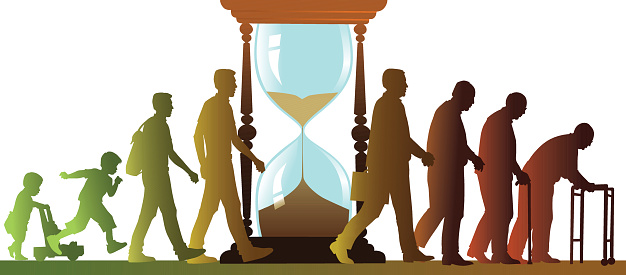
Two high school friends Dehinde and Bodunrin found themselves side by side in the same hospital ward and were pleased to catch up after several years of not having contact. As Bodunrin exclaimed, “Dehinsman, where have you been? I cannot believe this is you after so many years. How long has it been….55 plus years? By the way, Faramade should be visiting me here in another two hours or so. He will be thrilled to see you”, he continued. After that, the two of them went into a long discussion, catching up on happenings and the whereabouts of classmates with whom they were in touch. As the discussions progressed, they shared experiences, but one common thread was inadequate preparation for the aging process, particularly as it relates to challenges regarding health, finance, and self-care/love.

Dehinde was the first to bemoan his situation. Having lost his first wife at the age of sixty and unable to cope alone, his family had insisted that he remarry. He ended up with Bisola (his current wife), who bore him a son, Mobolurin. Mobolurin, who is now thirteen, is an intelligent child and livens up his day, but he is greatly concerned about providing his financial needs, especially as his pension, which barely meets their living expenses. In the past fifteen years, the pension has remained static, oblivious of inflationary trends in the economy. It gets more difficult to cope by the day, and with the added burden of his health challenges, it gets worrisome. Dehinde recently had brain surgery, impacting his nutritional and medical needs, which have placed additional pressure on his finances. “I wish I had envisaged the situation and prepared adequately. More disturbing is the fate of my young son”.

Bodunrin nodded in acquiescence. “I agree with you Dehinsman. If anyone had told me years ago that I could end up with prostate cancer requiring so many procedures, laboratory tests, and medications, I would have doubted. Healthcare is probably one of the most important needs of aging and is extremely expensive to manage. I was diagnosed with prostate cancer some five years ago, and it has been a challenging and expensive journey since then. It has been chemotherapy, radiotherapy, periodic tests, and medications. All the hospital visits and laboratory tests I ran away from in years past eventually caught up with me when I had the diagnosis. To alleviate some of the symptoms, I have had to support my treatment with alternative medicine to improve my well-being. None of these comes cheap. I thank God for a supportive family, especially the children who have been impressive in providing financial assistance, without which I would probably not be here today”.

As Bodunrin rounded up, they both looked towards the door of their shared space, as if on cue, Faramade breezed in with springy steps. He had just returned from a Mediterranean boat cruise with his wife, children, and grandchildren. He appeared to be in the best of health as he pulled up a chair to sit beside Bodunrin. As he sat down, Bodunrin introduced him to Dehinde, whom he had not seen since they all left high school. Faramade peered at Dehinde before yelling, “Dehinsman, is this you?” The trio then reminisced about school days when Dehinde used to rule the tracks, representing the school in relay races. Dehinde shook his head in amazement as he asked Faramade for the secret behind his youthful agility, to which he replied jokingly, “It is arguing each case with my wife.” He then went on to explain that God had blessed him with good health, except for the occasional aches and pains, and he did not take it for granted. Nevertheless, on his own part, he managed his blood pressure and diabetes by taking his medications and doing his medical check-ups as needed. He explained that he had been a protagonist for check-ups and follow-up treatments over the years. His advice to his friend, Bodunrin had always fallen on deaf ears as he was considered obsessed with health and spent too much of his resources on healthcare, eating right, playing golf, and self-care. He concluded by stating that the aging process must be prepared for from all angles – spiritually, financially, health consciousness (healthy nutrition, habits, and exercise), self-care and emotional wellbeing. All these impact on one’s comfort in old age and with God on one’s side must be carefully planned for.

The three friends nodded in agreement and went on to discuss the proposed set anniversary scheduled to be held soon.

Love

Havilah

YOUR DADDY IS YOUR DADDY BUT YOUR DADDY DON’T KNOW!

I bet you are thinking, this must be about a guy who birthed a child unbeknown to him. Guess what…you are wrong! Ever heard about the condition – Chimerism? Well, we will delve into that in a bit.

Sometime in October 2024, I did a piece titled “THIS DNA TEST” and received a comment that prompted me to research the condition referred to as Chimerism. Below are excerpts from an article found on The Royal Institution website – https://www. rigb.org titled – Human Chimeras: Why forensic DNA testing will never be the same.

Human chimeras are individuals that contain two different types of DNA and are named after the mythical creature made up of different animals including a lion and a goat. People can get a second set of DNA primarily in three ways : in the womb, through transplants, or when they are pregnant. 

CHIMERISM IN THE WOMB

Chimerism may result when a twin pregnancy exists, but one embryo dies and the survivor absorbs some of its twin’s cells thus exhibiting 2 sets of DNA. This was the case with Dubem who had a son outside wedlock. His wife however challenged his paternity because he was known to have low sperm count. To further complicate issues, the result of the Paternity test was negative. Muinat, the mother of the child was however convinced of the paternity and after Dubem was further tested, he was found to be a Chimera. He had actually fathered the boy.

This type of chimerism can result in failed maternity or paternity tests. For example, Karen Keegan needed a kidney transplant and family members’ blood was tested to see if they could be donors. The tests showed she wasn’t the biological mother of two of her three children—surprising since she’d given birth to them! Further studies showed that some of her tissue contained two different types of DNA. The type in her blood was different from the DNA two of her children inherited. This other DNA came from her deceased twin in the womb, so she was genetically her children’s aunt.  

CHIMERISM THROUGH TRANSPLANTS.

Chimerism can also occur through stem cell transplants.

For example, Chris Long received a bone marrow transplant as part of his treatment for leukaemia. Three months later, he learned that the DNA in his blood was no longer his. Chris continued testing other parts of his body. Four years later, swabs of his mouth contained both his and the donor’s DNA, whilst his semen only contained the donor’s DNA. 

DNA EXCHANGED FROM BABY TO MOTHER

A less dramatic form of chimerism occurs during pregnancy where foetal cells are transferred to the mother and can stay in the body for years. This is known as micro-chimerism, due to the low levels of foetal DNA in the mother. Research suggests this happens to all pregnant women. The simplest way to test for it is by searching for the Y chromosome in women who have given birth to sons. Micro-chimerism occurs during every pregnancy. In 2012 scientists found evidence of the Y chromosome in all 26 women sampled who had just given birth to a boy. 

CONSEQUENCES ON FORENSICS

After a car accident in 2008 police were trying to identify a body with blood and kidney tissue samples. The blood was determined to come from a woman and the kidney from a man, but there was only one person in the accident. This confusion was because the man in the accident had received a stem cell transplant from his daughter and his blood now contained her DNA.  

Also, during a sexual assault investigation in 2005, police collected semen samples which had a match in the DNA database. However, the suspect had a watertight alibi, being in jail at the time of the crime. The true perpetrator was chimeric, the incarcerated suspect had donated bone marrow years earlier. Therefore, when the chimeric perpetrator committed the crime, his semen contained DNA from someone else not at the scene. 

It is however hoped that with increasingly sophisticated equipment and testing methods, the error margins on DNA testing will be eliminated.

Love

Havilah

CEREBRAL PALSY, A CONSEQUENCE?

Maudline dropped off her three children – Gbebe and the twins – at a colleague’s daughter’s tenth birthday party and made a quick dash to the supermarket and squeezed in a hospital visit before returning to the party. In her absence, she could trust Gbebe who was twelve, to keep a watchful eye over her twin girls – Gbayike  and Romoke. Despite Gbebe’s challenges, he was such a darling and very protective of his sisters. He had good communication with them, and they bonded very well together.

First, a little background about Gbebe. Gbebe was born with cerebral palsy at birth after prolonged labour, hence his name which means God heard our plea. His palsy affected his speech, limbs and level of understanding but Maudline had put in a lot of effort to bring him to par with his peers and even much more so with his siblings. He could take care of his personal hygiene and feed himself although his feeding habits were a little sloppy for his age.

At the party, Gbebe had been served with his food and had fed himself. Thereafter, his sisters had ignored the mess and tried to clean him up as best as they could, all the time conversing and laughing with him. Suddenly, they were approached by a girl named Susan,  who walked up to them and asked pointedly “he looks like you both, is he your brother? The twins responded with a nod and a smile and tried to introduce her to Gbebe, but Susan shrank away and quickly, withdrew her hand. She asked blatantly, “why did you bring him along to the party? My cousin has a brother like him, and they all leave him at home when they go out. In fact, if you have never visited their home, you wouldn’t know about him because he is always locked up at home. They say he is very aggressive.

Just then, Maudline arrived to pick up her three jewels (as she often referred to them). On the way home, the twins related their experience with Susan and Maudline immediately counselled the children as follows: “Do not be upset with Sue, she does not know better, and her cousin’s parents have not helped matters. Would she like to be locked up at home and treated like an outcast – I am sure the answer is no. Such treatment can arouse aggression in anybody. We tend to forget that created us all differently according to purpose. You know Gbebe is gifted with playing the drums and guitar and recently won a medal in paracycling. He can also do several other things because we shower him with love and have never given up on him. He was not treated differently from you and displays a high level of independence.”

When Maudline retired to her room, she discussed the event with her husband, Chike, and they agreed to start an enlightenment campaign on Cerebral Palsy by destroying the myths and explaining the facts.

Excerpts from her first article are contained below:

Cerebral Palsy is a condition marked by impaired muscle co-ordination and /or other disabilities and is typically a result of damage to the brain before or at birth. It therefore follows that neither the child nor the parents are responsible for the condition. When we consider that every child is a gift from God, we realise that we should be grateful to God for his gift. He has a purpose for the gift, and it is the responsibility of every parent to help their child realise their God given purpose in life. This can only be done through love and encouragement. Every child thrives in an environment of love which boosts their self confidence and love for humanity. The home must be a haven where they recover from the taunting and daunting challenges they face outside.

As a proud mother of a son with palsy, I can say it takes patience and understanding to help them navigate the challenges they face, but it is filled with gains when you find them achieving the purpose of their creation. They should not elicit shame, pity or embarrassment but rather, God’s name should be glorified.

Psalm 104:25-4-25 reads ” How many are your works, Lord! In wisdom you made them ALL.”

Havilah believes the world would be a better place if we learn to be more accommodating of people with disabilities and treat them with love. We should also teach our children to treat them with respect, dignity and love because, we are all God’s creation.

Love

Havilah

MACHISMO AND ERECTILE DYSFUNCTION

Characters Design Vector Art Illustration. A strong worker wears a hard hat and smiles and stands with one fist on his hip and unrolls a medieval paper scroll.

Banjo had always considered himself a “stud”  when it came to sexual activities and was proud of his prowess. Suddenly, at the age of fifty-four, he could no longer sustain an erection. Try as he could and with all the cooperation from his pretty and active wife Marilyn, he couldn’t keep it up. This caused him grave concern and he became increasingly possessive about his wife. He felt emasculated. The more he failed to meet his expectations, the more intolerant and abrasive he became, and he gradually slipped into alcohol abuse.

However, Marilyn understood his situation and would often assist and encourage him. As he became more depressed about his situation, she offered to accompany him in seeking medical attention and/or counseling. All her offers were rebuffed as Banjo preferred to blame her for the situation.

One Saturday, Banjo went over to Joe’s house to watch the World Cup finals. ( Joe was his seventy-year-old friend with whom he could unwind.) Banjo hit the vodka bottle with venom and by half-time, the bottle was three-quarters empty. As Joe moved the bottle away, he cautioned “Banjo, if you continue this way your life will be cut short. It appears something is eating at you!” While flailing his arms, Banjo blurted out “Of what use am I when I cannot satisfy my wife…I am impotent!” Joe, an older and more experienced man, having himself treated erectile dysfunction, allowed Banjo to vent and when he was calmer, he got into Banjo’s car and drove him home. The next day, he visited Banjo and after enlightening him about the condition and how he had handled and overcome it, he took him to see his doctor.

Erectile dysfunction is the inability to have or maintain an erection thereby preventing a man from having or finishing sexual intercourse. When this becomes a regular occurrence, men tend to become discomfited by it and may react in diverse ways based on their personality types. This condition is quite common especially in older men although men in their forties have been known to experience it. However, if effectively managed, the couple can enjoy satisfactory intercourse.

The treatment regimen proffered is usually determined by the cause of the condition, which is broadly classified as physical, psychological, or lifestyle choices. Examples of physical causes include diabetes, high blood pressure, stroke, sclerosis, prostate enlargement, chronic kidney disease, fatigue, and Parkinson’s as well as some of the associated treatments and medication.

Psychological causes vary and include depression, stress, anxiety, and relationship issues while Lifestyle choices include abuse of drugs, alcohol, and tobacco.

Treatment could therefore consist of any or a combination of the following:

  1. Medication to manage the underlying physical or psychological conditions.
  2. Counselling. This is advised for the couple as the partner has a part to play in the acceptability and the healing process. She needs to understand his concerns and show empathy and cooperation.
  3. Lifestyle changes e.g. weight watching, exercise, quitting smoking, alcohol and drug abuse, and stress management.
  4. Vacuum Constriction Devices (VCD).
  5. Surgery in instances of blockage.
  6. Alternative therapy through supplements and Herbal Remedies.

It is however important that where ED(erectile dysfunction) is suspected, a doctor’s physical and laboratory examinations will be required to make a diagnosis and enable effectual treatment.

Havilah advises that where the partners do not view it as an issue, there are other ways in which they can experience meaningful and satisfactory relationships but where it threatens to destabilise the relationship, help should be sought.

Love

Havilah

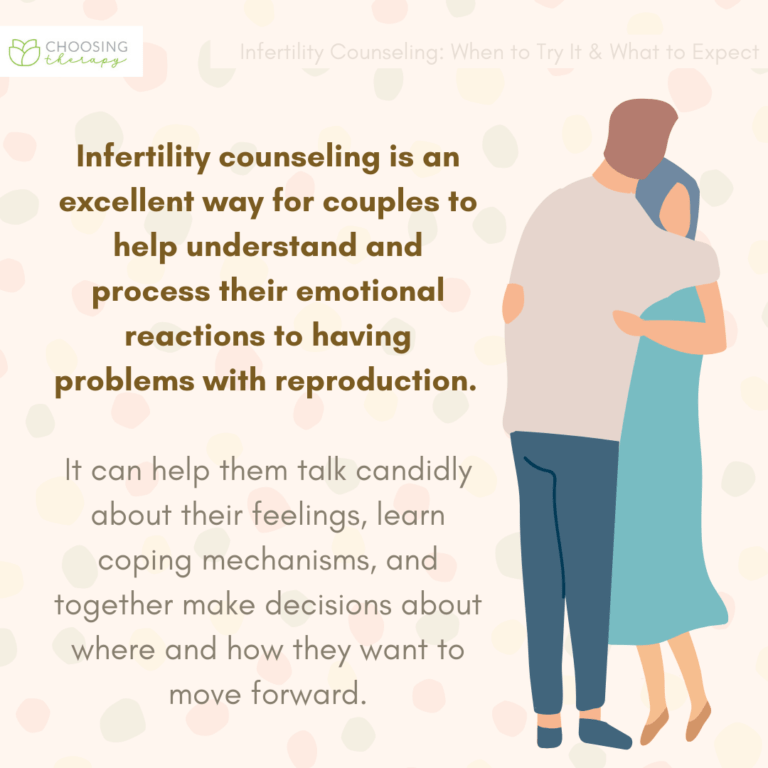
INFERTILITY CONCERNS

Feranmi and Deroju met at a renowned fertility clinic and while waiting for the general introductory address, they decided to trade stories. Feranmi, a petite thirty-five-year-old had been married for seven years and had concerns about conception. Bororo’s family and hers had remained supportive of both over the years and avoided pressurizing them about their situation. They had tried various herbs and plants touted as solutions to infertility, to no avail and had decided to visit the fertility clinic on the advice of a family friend. She could not comprehend the reason for infertility in as much as her menstrual flow was regular. Deroju on the other hand had conceived while dating her husband but as they were both still in school, they had agreed to terminate the pregnancy. Fast forward ten years down the line, they have not been able to have a child. She felt it was their punishment for the earlier abortion. Now she was suffering secondary infertility from blocked fallopian tubes. As Feranmi patted a depressed Deroju, the facilitator for the seminar started off the enlightenment lecture.

The substance of the address could be summarised as follows:

  1. Approximately 33% of infertility cases are female-related, 20% male and the other 47% involving both partners and are unexplained.
  2. Female infertility is usually attributable to either or a combination of two causes – Hormonal imbalances or irregularities/damage to the fallopian tubes or uterus. the Fallopian tubes/uterus.
  3. Non-ovulation or anovulation may be caused by hormonal imbalance as a result of hypothyroidism, PCOS (polycystic ovary syndrome), high-stress levels, body weight extremes such as being underweight or overweight, early menopause, cysts and tumours, steroids, POI (Primary Ovarian Insufficiency) and a host of others.
  4. Irregularities or damage to the uterus may come in the form of uterine fibroids, Endometriosis, Damage to the tubes, blockage of the cervix, Pelvic Inflammatory Disease (PID) and many more.
  5. However, most of the above are treatable and early detection is advised.
  6. Male infertility is usually a result of low sperm count, low sperm quality or erectile dysfunction.
  7. It therefore follows that where both partners have any of the contributory factors, the likelihood of infertility is increased. Both partners should be screened for infertility and treated as appropriate.
  8. Other factors involving the lifestyle of either or both partners could contribute to infertility e.g. smoking, alcohol, drugs, some types of medication, being overweight, etc.
  9. It should be noted that sometimes secondary infertility kicks in after delivering a first child and this occurs for the same reasons as identified above.
  10. While infertility can usually be traced to one or a combination of the above reasons, there are instances where infertility remains unexplained despite clinical testing.

Both Deroju and Feranmi heaved a sigh of relief as they experienced renewed hope for their situation. It will interest us to know that their stories had a happy conclusion; after treatment, they both had healthy babies.

Havilah wishes to encourage all sisters who are expectant of the fruit of the womb, to pursue relevant clinical tests early enough to ascertain their fertility status and commence prompt treatment where necessary.

One last word…we must not overlook the GOD factor in all of this because, it is he alone who gives the fruit of the womb.

Love

Havilah